
OUR FOUNDING STORY
A simple question.
A bigger purpose.
Where did this number come from? Who generated it? How do you know that?
Some version of those questions has sat behind every forecast I've built, every piece of market research, every scientific assessment I've signed off on—at Pfizer, at Roche/Genentech, at Gilead, and now at BridgeBio, in rare disease. Nearly twenty years in biopharma comes down to one reflex I can't switch off:
“Is this validated?”
Then AI stormed into our labs, our clinics, our meeting rooms—and that questions got harder to ask out loud, because answering it meant reaching for a vocabulary none of us had been given yet. So some of us stood still, watching to see who, or what, would help us make sense of the torrential volume of information and claims, all while hoping for the transformation AI could bring to patients and to science.
I didn’t stand still for long. I kept coming back to the same simple question. This is the story of where it took me.
Two Moments That Stopped Me Cold.
We’ve all been impressed by frontier models, yet also had a “GPT-5 chart crime” or “US State Department map of Africa” moment of horror, thinking about what these basic lapses could lead in a clinical setting.
After both incidents, all the blame went to the human at the end of the process who “did not check.” And this is precisely what I think we should pay attention to: how convenient is the explanation?
Yes, someone should definitely have checked. But someone should also have asked, before these tools shipped, whether a tool that confidently draws continents could draw them correctly. Whether a tool generating charts could handle proportions. In both instances, validation failed at both ends, yet accountability landed solely on the end user, far from the companies behind the tools.
I Didn’t Start Alone
It all started with candid conversations that quickly turned spirited: different perspectives, hype spirals, knowledge gaps. My team came together out of those conversations, and they’re still reflected in our culture: simplicity, curiosity, no egos, everyone growing together.
Iphigénie brings a global perspective on AI ethics and governance. Christina brings public health. Justin, our CTO, keeps us honest. Angela, Fiona, and Clarita built the operational and financial backbone that turned our good intentions into a full-fledged organization. And our expert network—Sheila, Min, Clara, and Joey—extends the board’s reach with domain expertise across R&D, global regulatory and AI education.
As president, I am grateful for their trust and friendship.
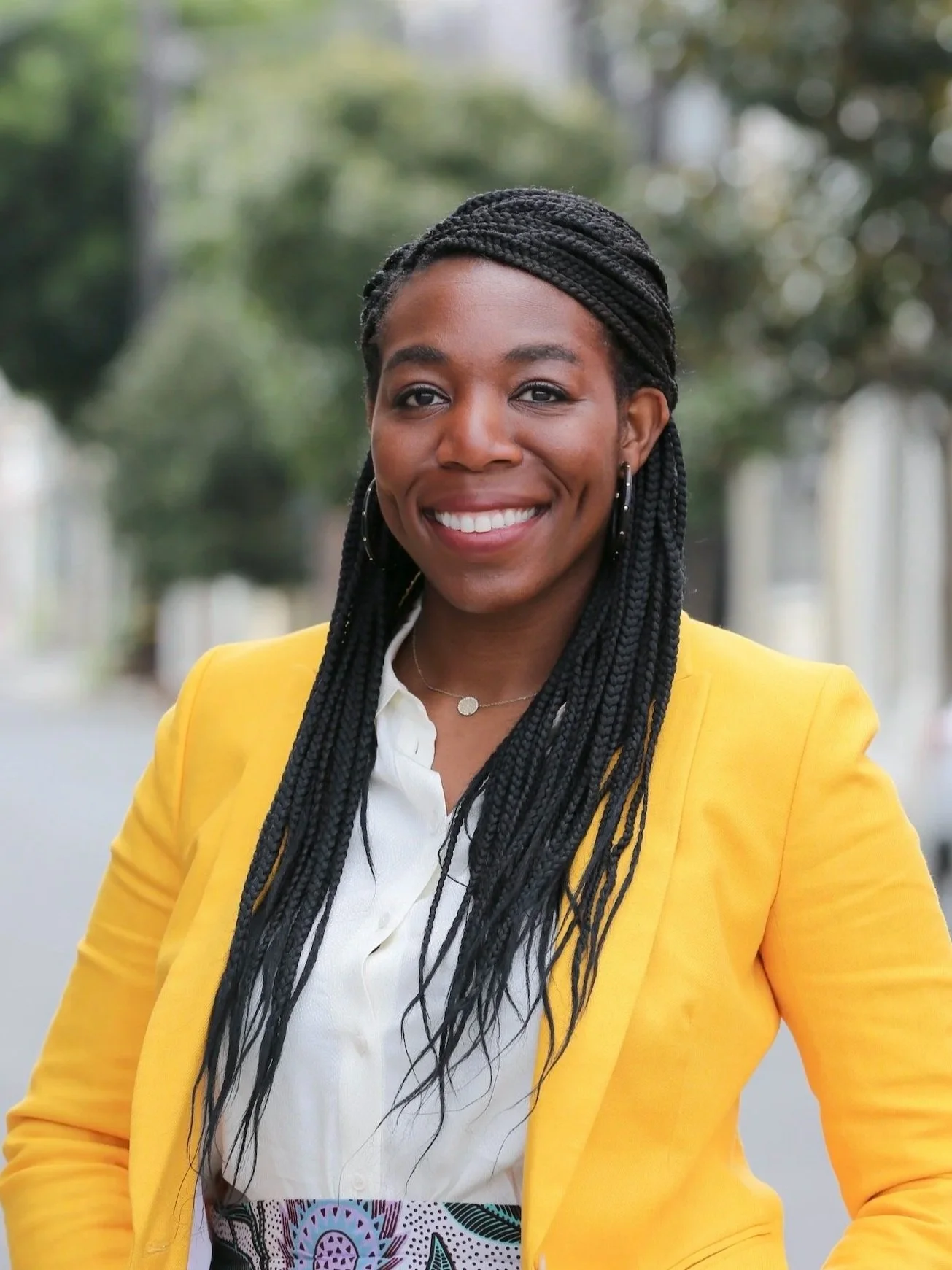
NADINE BESSON
President + Founder, BioLiterate
Go Fast. Don’t Break Anyone.
Tech culture moves by a famous mantra: move fast and break things. In biomedicine, only half of that applies:
Go fast: Delays cost patients time they don’t have.
Do no harm: We cannot afford to break anyone
Making speed safe means looking under the hood—understanding how a model was built, what it was tested against, and where it falls short. Concrete evaluation can only come from the scientists, clinicians, analysts, regulators, and operators who understand realistic study designs and clinical context. What the field needed was the literacy to apply that judgement to a model instead of a drug molecule.
The Signal Was Clear To Me
AI is changing biomedical research, development, commercialization, and practice. We the biomedical community, can shape how it enters our field—and that is why I founded BioLiterate: a space to learn, experiment, and think aloud among peers and experts, to advance AI integration in health, responsibly.
What We’ve Built So Far
Alongside this story, I’m releasing The State of AI in Bio: 2026 report. Over 100 biomedical professionals took our survey and told us, candidly, where they actually stand. The full report surfaces many more insights, but three questions kept coming back to me: How does anyone know their tools are working? How do you choose a vendor when there’s no in-house expertise to evaluate the claims? Who has real, lived experience testing these things?
I’ve curated our upcoming programming and publications to answer exactly these. We also launched two publications series: AI Ethics & Governance, with its interactive map of AI governance across jurisdictions, and AI in Bio Explained, which opens with Human in the Loop—because that ubiquitous phrase is now doing an enormous amount of unexamined work in our industry.